
Choosing a rucksack for weekend backpacking trips
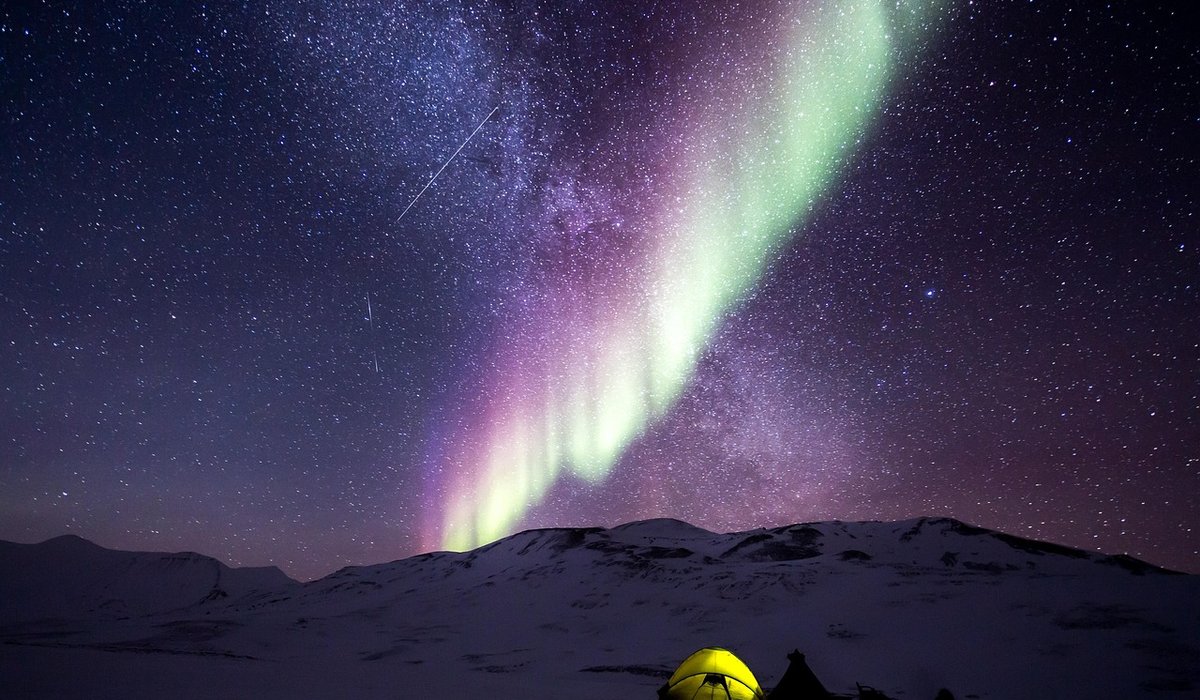
The legal basis for wild camping in Scotland
Scotland's access rights are among the most generous in Europe. The Land Reform (Scotland) Act 2003 gave everyone statutory access to most land and inland water for recreation, and wild camping is part of that. The Scottish Outdoor Access Code explains how to do it responsibly. It is not a free-for-all; it is about balancing your freedom with the rights of others and the environment. If you follow the code, you can enjoy a night under the stars in some of the most beautiful places in the UK.
Where you can wild camp: unenclosed land
The code says you can camp on most unenclosed land. This means land that is not fenced or walled in a way that clearly excludes people. Think open moorland, hills, mountains, and many lochsides. You can also camp on some enclosed land if the landowner has given you permission, but without that, stick to unenclosed areas. Examples include:
- Open hill ground and mountain plateaus
- Moorland and heath
- Most loch shores where there is no fence or wall blocking access
- Some public forests and woodlands, unless signs say otherwise
Remember that access rights apply to land, not to buildings or structures. You cannot camp inside a bothy without following the bothy code, and you cannot camp in a shed or barn without permission.
Where you cannot camp: the key exceptions
The code is clear about places to avoid. You should not wild camp in enclosed fields, near buildings, on roads, or in private gardens. These exceptions exist to protect privacy, safety, and farming. Specifically, avoid:
- Fields with crops or livestock
- Farmyards and driveways
- Gardens and immediate grounds of houses
- Roads, verges, and lay-bys
- Car parks and picnic areas (unless signs permit)
- Golf courses, sports fields, and other active recreational areas
Also, do not camp where signs explicitly prohibit it. If you are unsure, ask the landowner or check with the local access officer. A polite question can save you a sleepless night and a lot of trouble.
Practical low-impact camping: leave no trace
Wild camping is about leaving no trace. The aim is to camp in a way that no one would know you were there. Use a stove instead of a fire; fires are discouraged and often banned because they scar the land and can spread. Camp on durable ground, such as gravel or dry grass, not on fragile vegetation. Keep groups small—two or three people is ideal. Stay for a maximum of two or three nights in one spot, then move on. For human waste, dig a hole 30 centimetres deep and at least 30 metres from water, then cover it. Carry out all litter, including food waste, and take away anything you brought in. Key principles:
- Camp on durable surfaces
- Keep groups small and stays short
- Use a stove, not a fire
- Bury toilet waste 30m from water
- Pack out all rubbish
Seasonal restrictions and local byelaws
Some areas have additional rules. For example, certain popular loch shores have seasonal byelaws that require you to camp in designated areas during the summer months. These are usually signposted, but it is always worth checking with the relevant national park authority before you travel. During deer stalking or lambing, you might be asked to avoid certain areas. Be flexible and respectful. If a land manager asks you to move on for a good reason, do so without argument. Access rights come with responsibilities, and byelaws are there to manage pressure on fragile places.
Respecting people, wildlife and the land
Access rights come with responsibilities. Keep noise down, especially near houses. Do not camp in view of someone's home. Avoid disturbing wildlife, particularly during nesting and breeding seasons. Leave gates as you find them. Do not block access tracks or paths. Take all rubbish home. If you see a problem, report it to the land manager or access officer. Wild camping is a privilege; treat it as such. By following the code, you help keep these rights open for everyone.
LEAVE A COMMENT