
Wild camping in Scotland: understanding access rights
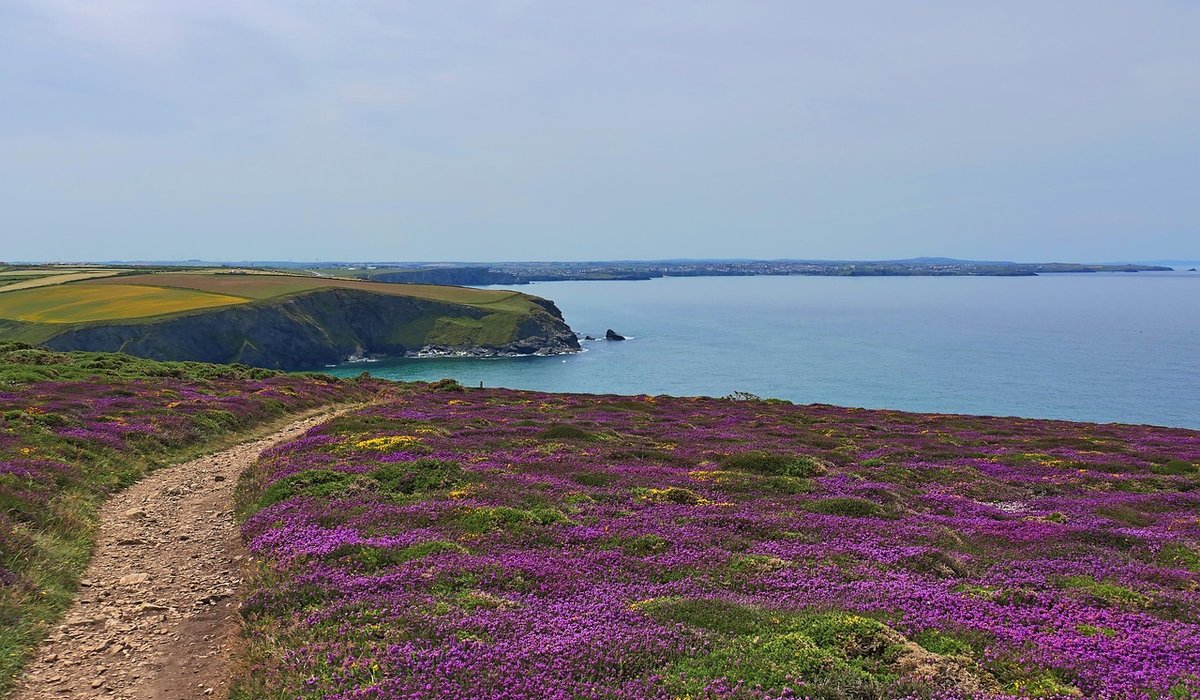
British trails have a well-earned reputation for mud. From the claggy clay of the Home Counties to the peaty bogs of the Pennines, wet ground is part of the deal. Choosing the right footwear is about staying upright, keeping your feet comfortable, and arriving home with dry socks. The trick is balancing grip, ankle support, waterproofing, and breathability.
What mud actually does to your footing
Mud is not a single substance. It ranges from thin slurry to thick, suctioning peat. Thin mud fills the tread and turns your soles into skis. Thick mud clings to the boot, adding weight and reducing the depth of the lugs. Peat bogs can swallow a foot entirely. And hidden beneath the mud are roots, rocks, and ruts that your ankles must react to without warning.
That is why the best footwear for UK mud is a compromise. You need deep, widely spaced lugs that shed mud rather than clog. You need a sole compound that stays soft in the cold, because hard rubber slides on wet rock and wood. You need enough structure to protect your feet, but not so much that you overheat on a long, lowland plod. And accept that no boot keeps all water out forever.
Grip: lugs, rubber and staying upright
Grip is the first thing to get right. Look for lugs at least 4mm deep, and 5–6mm for peat or steep, muddy descents. The pattern matters as much as depth. Wide gaps let mud clear as you lift your foot, so the next step bites fresh ground. Multidirectional lugs help on both uphill and downhill sections.
The rubber compound is equally important. A softer compound grips better on wet rock and slick roots, but wears faster. A harder compound lasts longer but feels skittish in the cold. For most UK trail walking, a mid-soft compound is sensible. If your soles are worn smooth or the lugs are rounded, it is time for new boots. No amount of ankle strength can compensate for bald rubber.
Ankle support: when you need it and when you do not
High-cut boots offer the most ankle support. They suit rough, pathless ground, heavy packs, or anyone with weak ankles. The trade-off is weight and stiffness. On easier trails, a high boot can feel like overkill, tiring your legs.
Low-cut walking shoes or trainers are lighter and more flexible. They suit well-drained paths and shorter walks where mud is patchy. They also let your ankle move naturally, which can strengthen it. Mid-cut boots sit between the two. If your route involves tussocks, boggy moorland, or side-sloping ground, support pays off. On a canal towpath with a few puddles, low-cut shoes are fine.
Waterproofing versus breathability
Waterproof boots keep out puddle water, mud, and light rain. But they also trap sweat. On a long lowland walk in mild weather, that trapped moisture can leave your feet as wet as if you had worn sandals. Breathability matters more than many walkers admit. A waterproof and breathable membrane helps, but works best when the boot is not saturated and the air is cool.
Here is the counterintuitive bit: for soggy, lowland trails in summer, a non-waterproof, quick-drying shoe can be more comfortable than a waterproof boot. Water gets in, but it also gets out. Your feet get wet once, then dry as you walk. With a waterproof boot, water that gets in stays in. If you prefer waterproofing, pair it with breathable socks and consider waterproof socks for deep mud. Gaiters keep mud and water out of the boot opening.
Socks, fit and the little details
Socks are not an afterthought. Cotton socks hold water and cause blisters. Choose wool or synthetic blends that wick moisture and stay warm when damp. A thin liner sock under a thicker outer sock reduces friction. Make sure your boots fit: toes should not jam on descents, and your heel should not lift. Lace snugly across the midfoot, but leave the top eyelets looser for ankle flex.
- Toe room: Leave a thumb's width at the front.
- Heel lock: Use a runner's loop if your heel slips.
- Break in: Wear new boots on short walks first.
- Foot care: Dry your feet at lunch and treat hot spots.
Matching footwear to the trail and season
There is no single perfect boot for all UK mud. Build a small quiver if you can. For winter and deep peat, choose a waterproof boot with aggressive lugs and a high cut. For summer lowland walks, a breathable, quick-drying shoe may be better. For fast and light excursions, a fell running shoe offers superb grip and low weight, though little support.
Pay attention to the ground underfoot. Clay is slick and clogs tread; peat is deep and suctioning; leaf litter hides roots and rocks. Test your footwear on a local muddy path before a long walk. Comfort is personal. A boot that fits your foot shape will always beat a technically superior boot that rubs. With the right balance of grip, support, waterproofing, and breathability, you can enjoy the mud rather than fight it.
LEAVE A COMMENT